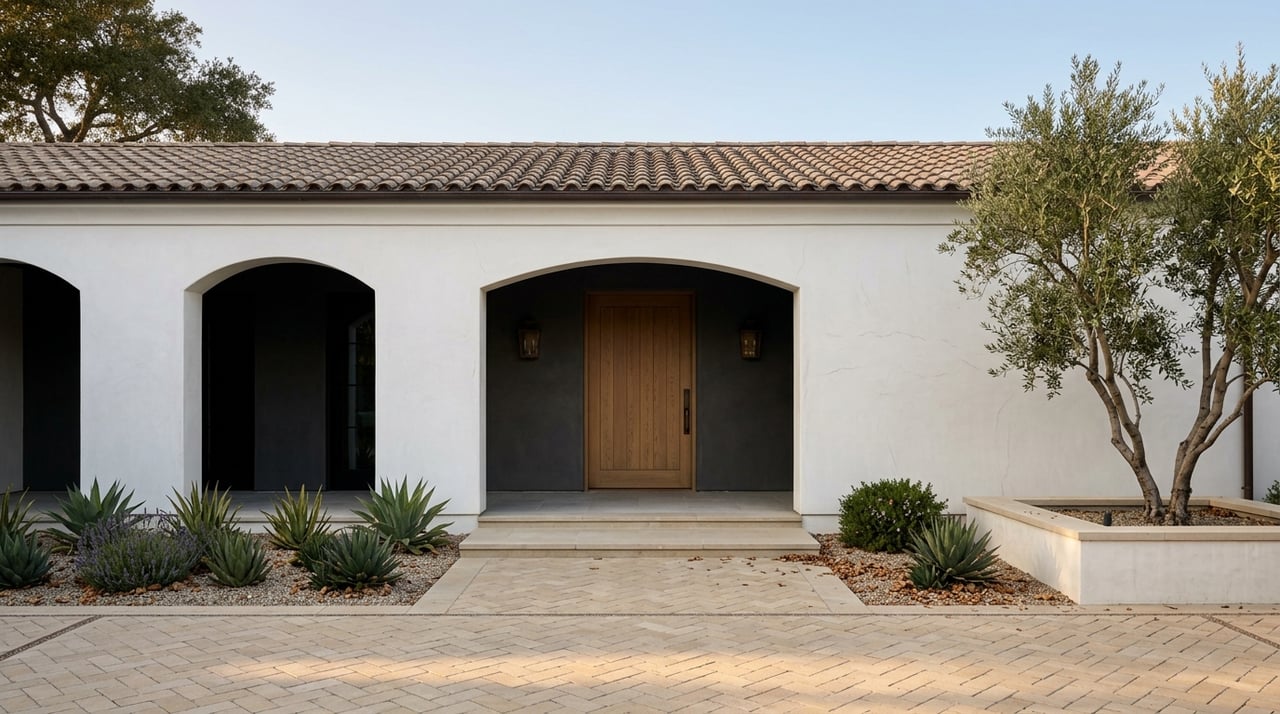
Thinking about listing a Rancho Santa Fe estate? In this market, a polished sale rarely starts with photos and a sign in the yard. You are often balancing timing, privacy, property preparation, county documentation, and community review requirements all at once. This guide walks you through what to expect, what to prepare, and how to launch with fewer surprises. Let’s dive in.
Why Rancho Santa Fe sales need more planning
Rancho Santa Fe is not a typical suburban market. The Rancho Santa Fe Association describes historic Rancho Santa Fe as a roughly 10-square-mile, 6,730-acre country residential community with average lot sizes of more than two acres, plus private trails, open space, and full-time private security.
That setting shapes how homes are sold. Large lots, gated entries, and a strong emphasis on privacy mean your sale strategy often needs to be more deliberate than it would be in a standard neighborhood.
The Association also functions a bit like a small city, with its own building department, planning department, parks and recreation department, and 24-hour security. On top of that, exterior changes are reviewed by the Art Jury and Building & Planning Department. That means even simple-looking prep work may involve more coordination than you expect.
Market data supports that careful approach. In the June 2026 update for ZIP code 92067, detached homes showed a year-to-date median sales price of $4.7 million, 58 days on market, and 6.7 months of inventory. In a high-value market with limited turnover, presentation and preparation can have a major impact.
Your ideal selling timeline
8 to 12+ weeks before launch
This is the strategy phase. You want to gather the records and information that buyers are likely to request later, especially for a larger estate property.
Start by pulling together:
- Permit history
- Property summary reports
- Prior renovation records
- Warranties and service records
- Plans for permitted additions
- Roof, HVAC, irrigation, pool, or spa records
- Well or septic records, if applicable
For properties in unincorporated San Diego County, public records and archived documents are available through county tools. Starting early gives you time to identify missing paperwork before buyers do.
This is also the time to confirm whether any planned exterior updates may need Association review. If you are considering changes to landscaping, fences, walls, or exterior finishes, it is smart to verify approval requirements before work begins.
4 to 8 weeks before launch
This is your main improvement window. Most sellers use this period for repairs, landscaping refreshes, paint touch-ups, staging prep, and other work that shapes first impressions.
In Rancho Santa Fe, exterior presentation matters a lot. Buyers often form opinions before they step inside, based on the driveway, entry gate, lighting, tree health, and overall condition of the grounds.
Wildfire preparation also belongs in this phase. San Diego County identifies defensible space as one of the most important steps for wildfire resilience, and California law may require fire-hazard disclosures and, in some cases, compliance documentation for homes in high or very high fire hazard severity zones.
If your home was built before January 1, 2010, these fire-related disclosure requirements can be especially important. Tackling this early can help you avoid delays once buyers begin reviewing disclosures.
2 to 4 weeks before launch
This is when the listing starts taking shape publicly. Once repairs, landscaping, and exterior work are complete, you can move into photography, drone footage, video, floor plans, pricing strategy, and showing logistics.
For a Rancho Santa Fe estate, the visual story is often about more than the interior. The arrival experience, mature landscaping, privacy, and indoor-outdoor flow all help define value, so media should be scheduled after the property is fully camera-ready.
This is also the right time to create a clean showing plan. Because many estates prioritize discretion and controlled access, you will want clear instructions for gates, security systems, alarms, cameras, and appointment procedures.
Launch week and first 30 days
Once the property goes live, the focus shifts to access, presentation, and feedback. In Rancho Santa Fe, appointment-only showings and broker previews often make more sense than a high-traffic open-house approach.
The first few weeks matter most. If your estate is priced well and presented strongly, you want to capture serious buyer attention early while the property still feels fresh to the market.
During this period, staying show-ready is key. Fast response times, polished presentation, and thoughtful showing coordination can help maintain momentum.
Local factors that can delay a sale
Association review for exterior changes
One of the biggest local timeline issues is approval for visible improvements. The Protective Covenant states that plans and specifications, including the exterior color scheme and block plan, must be submitted for review, and the Association says the Art Jury and Building & Planning Department review all exterior changes.
If you plan to repaint, alter landscaping, replace walls or fencing, or make other visible updates, do not assume the work is minor just because it seems cosmetic. Checking first can save you from costly delays.
Well and septic verification
Some Rancho Santa Fe properties have rural infrastructure that is less common in other luxury markets. If your estate uses a private well or septic system, verify the status of those systems early.
San Diego County regulates well and septic installation or modification, and both require permits under county rules. If there are unresolved issues, they can slow disclosures, inspections, or escrow later.
County-specific disclosures
Rancho Santa Fe is in San Diego County’s unincorporated area, so local disclosures may apply in addition to standard California forms. One example is the county requirement for written disclosure to prospective purchasers of residential property in the unincorporated area about nearby commercial agricultural operations.
This is easy to overlook if your property feels purely residential. It is worth checking early so your disclosure package is complete.
California disclosure package
Most sellers should expect the California Real Estate Transfer Disclosure Statement and the Natural Hazard Disclosure process to be part of the sale. The Transfer Disclosure Statement is a seller-completed form that covers physical condition and potential hazards or defects.
California law also addresses natural-hazard disclosures and, where applicable, fire-zone compliance documentation. Importantly, the Transfer Disclosure Statement delivery requirement may not be waived in an as-is sale.
What prep matters most for estate sellers
Focus on arrival and exterior condition
In Rancho Santa Fe, the exterior is often one of the strongest value signals. Before buyers ever see your kitchen, they are noticing the road approach, gates, landscaping, trees, hardscape, lighting, and overall upkeep.
That does not mean every seller needs a major overhaul. It does mean exterior maintenance should be treated as a core part of your marketing plan, not a last-minute cosmetic fix.
Stage for scale and flow
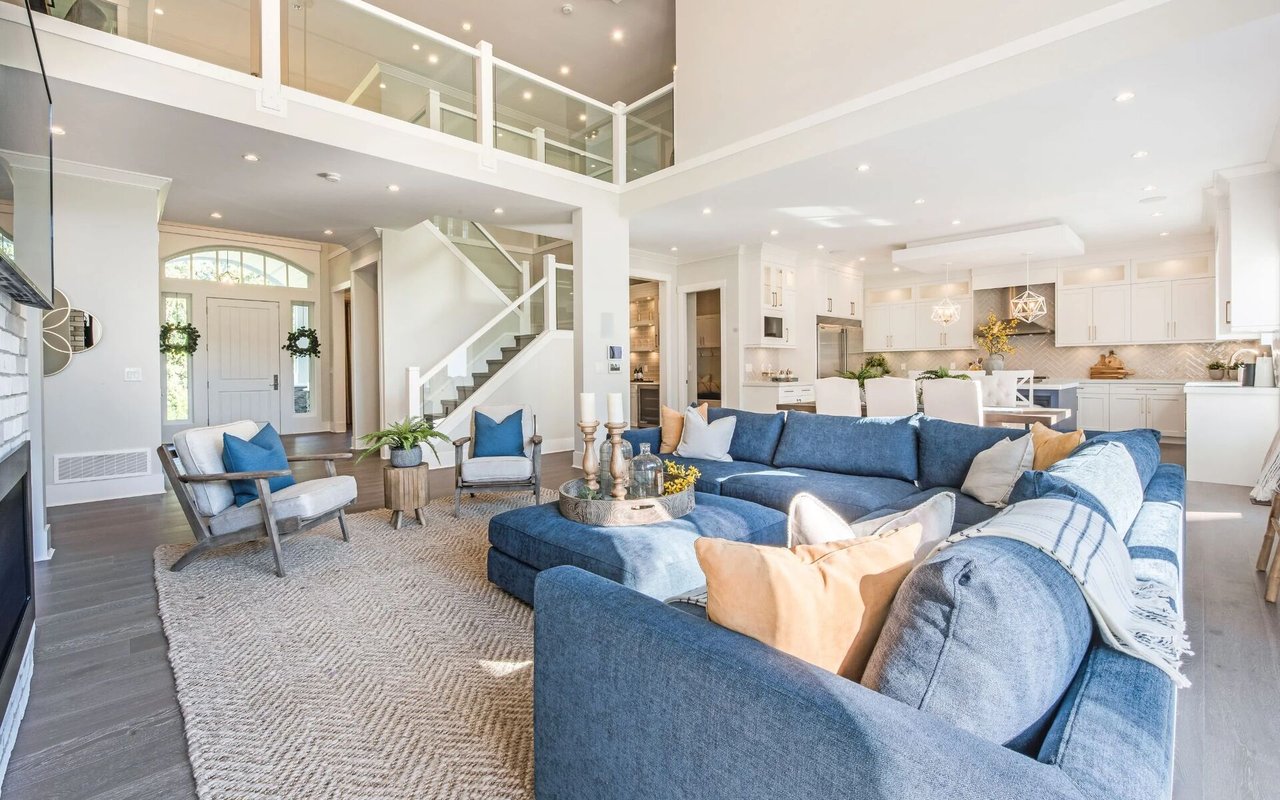
Large homes can be difficult to present if rooms feel too full or overly personal. Good estate presentation should help buyers understand the volume of each space, the sightlines from room to room, and the indoor-outdoor connection.
The goal is not to erase the home’s character. It is to help buyers picture how the property lives, especially in a market where space, privacy, and lifestyle carry so much weight.
Prepare a buyer-ready document package
A strong seller packet can reduce hesitation and help serious buyers move faster. Useful documents often include permit history, plans for permitted additions, warranties, service records, and system documentation.
If your property has specialized features such as pool equipment, irrigation systems, a well, or septic, those records become even more important. The easier you make it for buyers to verify the property, the smoother the process can feel.
A simple prep checklist
If you want a practical starting point, focus on these items first:
- Gather permit and renovation records
- Confirm whether planned exterior work needs Association review
- Check well or septic records, if applicable
- Review wildfire-related prep and disclosure items
- Refresh landscaping, driveway areas, gates, and lighting
- Complete key repairs and paint touch-ups
- Stage interiors to highlight scale and flow
- Schedule photography and video after exterior work is finished
- Build a complete disclosure and documentation package
- Create a privacy-focused showing plan
The bottom line for Rancho Santa Fe sellers
Selling a Rancho Santa Fe estate is usually less about rushing to market and more about launching with intention. Between Association oversight, county records, wildfire considerations, rural infrastructure, and high buyer expectations, the strongest results often come from early planning.
When you take the time to prepare the property, organize the paperwork, and build a thoughtful launch plan, you put yourself in a much better position to attract serious buyers and avoid preventable delays. If you are preparing for a sale in Rancho Santa Fe and want a clear, high-touch strategy, Miki Edwards can help you map out the right timeline, presentation plan, and next steps.
FAQs
How long does it take to prepare a Rancho Santa Fe estate for sale?
- Many estate sellers should plan for at least 8 to 12 or more weeks before launch, especially if the property needs repairs, landscaping work, document gathering, or review of exterior improvements.
Do exterior improvements in Rancho Santa Fe need approval before listing?
- Visible exterior changes may require review by the Rancho Santa Fe Association’s Art Jury and Building & Planning Department, so it is wise to verify requirements before starting work.
What documents should Rancho Santa Fe sellers gather early?
- Start with permit history, renovation records, warranties, service records, plans for permitted additions, and any available records for roof, HVAC, irrigation, pool, spa, well, or septic systems.
What wildfire-related items matter when selling a Rancho Santa Fe home?
- Defensible space is an important preparation step, and some homes may also need fire-hazard disclosures or compliance documentation, particularly in high or very high fire hazard severity zones.
Are there special disclosures for homes in Rancho Santa Fe?
- Yes. In addition to standard California disclosure forms, properties in unincorporated San Diego County may have county-specific disclosure requirements, including disclosure about nearby commercial agricultural operations.
Should Rancho Santa Fe sellers hold public open houses?
- Many estate sales are better suited to appointment-only showings and controlled access, especially where privacy, security, and gated entry are part of the property experience.