If you are looking at the Oceanside vacation rental market, one thing matters right away: not every property that feels like a great beach rental is actually a legal or practical fit. That can make the market feel exciting and complicated at the same time, especially if you are buying a second home, evaluating an investment, or thinking about selling a property with short-term rental potential. In this guide, you will learn what drives demand, how location changes performance, and which local rules can shape your options in Oceanside. Let’s dive in.
Why Oceanside Draws Vacation Rental Demand
Oceanside is not just a summer beach town. Visit Oceanside reports FY2025 travel-related spending of $622.5 million and 4,090 hospitality jobs, which shows how important tourism is to the local economy. The city is also working to diversify visitor activity beyond peak summer months and weekends, which supports a broader demand story.
The appeal starts with the waterfront. Oceanside is known for wide sandy beaches, the historic wooden pier, the harbor, walkable downtown areas, and easy coastal access. For short-term guests, that mix creates a stay that feels convenient and experience-driven, not just scenic.
Regional access also helps. Oceanside sits about 35 miles north of San Diego and 83 miles south of Los Angeles, and Interstate 5 runs through the city. That makes it accessible to multiple drive markets, which can support weekend trips, holiday stays, and second-home use.
Oceanside Demand Drivers To Watch
Several local features stand out when you look at what guests may value most:
- Beach access and ocean proximity
- Walkability to downtown, dining, and the pier
- Access to Oceanside Harbor activities
- Event-driven travel and holiday demand
- Year-round appeal supported by mild weather
Oceanside Harbor is especially important in the short-stay conversation. Visit Oceanside describes it as home to deep-sea fishing and whale-watching outfitters, dining, and watercraft rentals like boats, kayaks, jet skis, and paddleboards. That means some properties may appeal to guests because they are close to activity hubs, not only because they are near the sand.
How Seasonality Affects The Market
Oceanside benefits from a relatively mild climate. Visit Oceanside lists an average annual high of 66 degrees, an average annual low of 53.9 degrees, and average annual rainfall of 10.28 inches. That kind of weather can help support shoulder-season travel and year-round interest.
Even so, seasonality still matters. Summer pier programming, July holiday celebrations, and other event weekends can create stronger booking periods. At the same time, the harbor’s year-round whale-watching activity suggests some steadier baseline demand outside the busiest travel windows.
For buyers and owners, this means you should think in layers. Some properties may do well because they catch summer beach demand, while others benefit from broader year-round convenience, harbor access, or event proximity. Understanding that difference can affect pricing, expectations, and resale positioning.
Why Micro-Location Matters In Oceanside
In Oceanside, a few blocks can change the guest experience in a big way. Visit Oceanside notes that beaches north of the pier generally have more sand than those to the south, while areas near Pier View South have more concentrated beach activity near the amphitheater. Those differences can shape how a property feels to visitors and how it may be positioned in the market.
The city’s neighborhood areas also create distinct rental stories. Downtown Oceanside is tied closely to the pier, the beach strand, and train access. The harbor is known for its village setting, dining, shops, and water activities.
That is why broad labels like “near the beach” are not enough. A harbor-walkable condo, a pier-adjacent property, and a home farther inland may all be in Oceanside, but they can appeal to different guest types and carry different pricing potential.
Harbor Area Appeal
The harbor stands out because it brings together beach access and built-in activity. Harbor Beach is Oceanside’s largest beach and offers fire pits, picnic tables, volleyball courts, restrooms, showers, and summer lifeguard access. It is also a short walk from Harbor Village.
For many guests, convenience matters as much as the view. Being near a beach with practical amenities and close to dining and harbor activities can strengthen a property’s appeal for group stays and shorter visits.
Downtown And Pier Proximity
Downtown Oceanside offers a different kind of draw. It connects visitors to the pier, beach strand, dining, and train-oriented access. That can make it attractive for guests who want a more walkable coastal stay with easy arrival options.
For some owners and buyers, that means smaller homes, townhomes, or condos in the right location may compete well with larger properties farther away. In a location-driven market, access and experience often matter just as much as square footage.
What Property Types Tend To Fit
Current ACS 2024 5-year data show Oceanside has 68,129 housing units, with 62% in single-unit structures and 60% owner-occupied. That points to a housing stock where detached homes are common, but there is still room for condos and townhomes that may appeal to second-home buyers or short-term rental owners.
In practical terms, the best vacation rental candidates are often highly location-sensitive. Beach-adjacent homes, harbor-near properties, and well-placed condos or townhomes may stand out more than a property’s category alone. The local story is usually about where the home sits and how guests will use it.
That is also important if you plan to sell. Buyers in this segment often look closely at usability, location, and legal eligibility, not just finishes or bedroom count.
Oceanside Short-Term Rental Rules To Know
This is one of the most important parts of the market. Oceanside defines a short-term rental as a legally permitted dwelling unit, or a portion of one, rented for 30 consecutive days or less. The city also separates hosted short-term rentals from non-hosted or unhosted rentals.
A hosted short-term rental means the owner occupies the home as a principal residence and remains on site during the stay. A non-hosted short-term rental does not follow that structure. That distinction matters because local rules treat these categories differently.
As of June 7, 2024, Oceanside requires a short-term rental permit for all STR properties unless the property qualifies for a specific exemption. The city states that exemptions may apply if the unit is in a gated HOA with at least 50 units, meets parking requirements, and has 24-hour security or on-site management, or if it is a hosted unit in the Coastal Zone.
Key Oceanside STR Restrictions
Here are some of the local rules that can directly affect whether a property is a fit:
- STRs are prohibited in mobile home parks
- STRs are prohibited on non-conforming panhandle lots
- New non-hosted STRs are prohibited outside the Coastal Zone as of February 10, 2024
- Properties with an ADU or JADU permitted on or after September 9, 2017 cannot be used for STRs, and neither the accessory unit nor the primary residence can be used as an STR in that case
The city also notes a proposed amendment involving a cap on non-hosted STR permits in certain residential zoning west of Coast Highway and a prohibition on new non-hosted STRs in the R-1 zone, but this was still awaiting Local Coastal Plan approval. That means it should be treated as a pending change, not a settled rule.
Permit Fees And Ongoing Costs
For owners who qualify to operate, the local fee structure matters too. Oceanside lists a $250 permit fee and a $215 inspection fee, and permits renew annually. Hosted properties also require a primary residence affidavit.
On the tax side, Oceanside’s transient occupancy tax is 10%, and the OTMD assessment is 1.5% of room rental revenue for short-term rentals. The city also notes that even where voluntary collection agreements exist with major platforms, operators still need to register and file returns for periods not covered by those agreements.
The Three Filters Smart Buyers Use
In Oceanside, the strongest vacation rental opportunities usually pass three tests: legal eligibility, micro-location, and operating quality. If one of those pieces is weak, the property may not perform the way you expect.
Legal eligibility comes first because local rules can quickly limit what you can do. A great-looking coastal property is not automatically a usable short-term rental. Before you get too far into pricing or projections, you need clarity on zoning, permit status, Coastal Zone position, and any ADU-related restrictions.
Micro-location comes next because guest demand is highly specific in this market. Walkability to the harbor, beach setup, pier access, and neighborhood setting can all influence guest interest. In a coastal city like Oceanside, the map matters in a very real way.
Operating quality is the third piece. Reviews, cleanliness, consistency, and the guest experience can affect future bookings and pricing power. That means ownership is not just about buying the right property. It is also about running it well.
Why Presentation Matters So Much
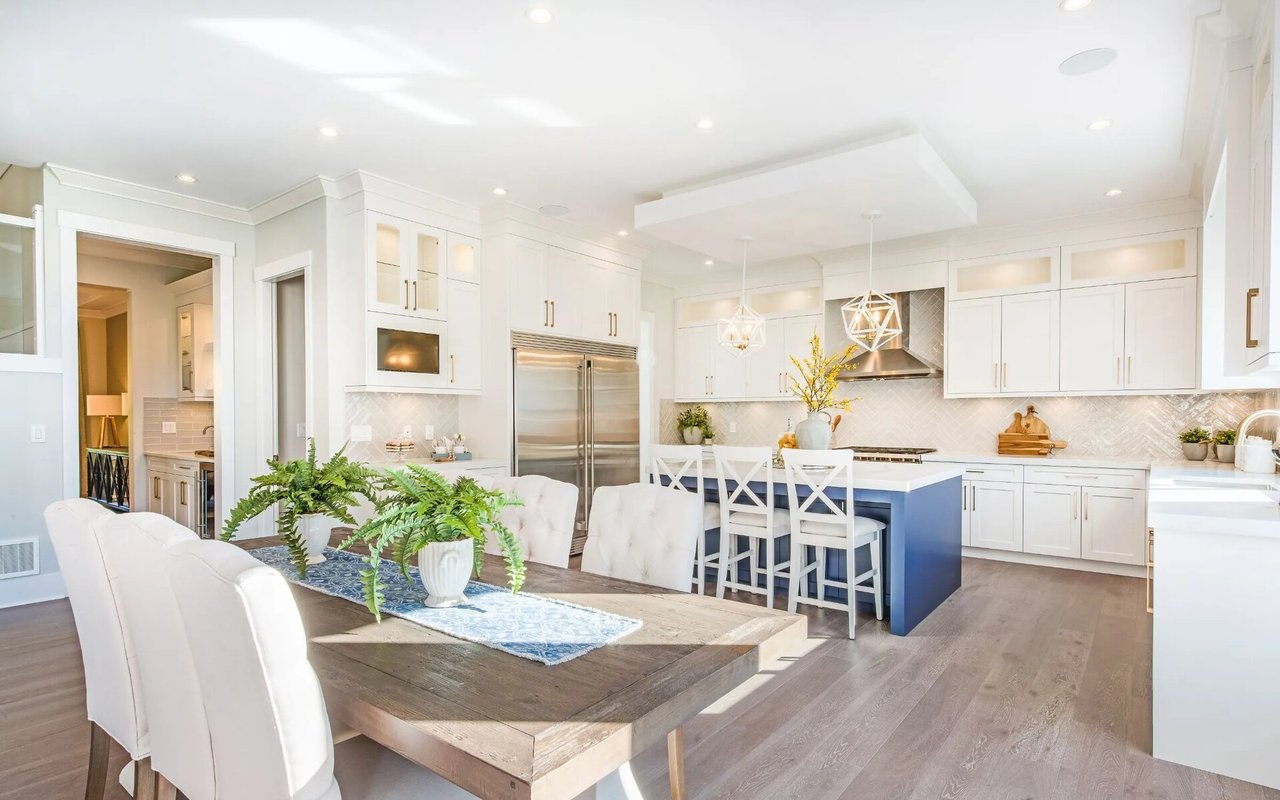
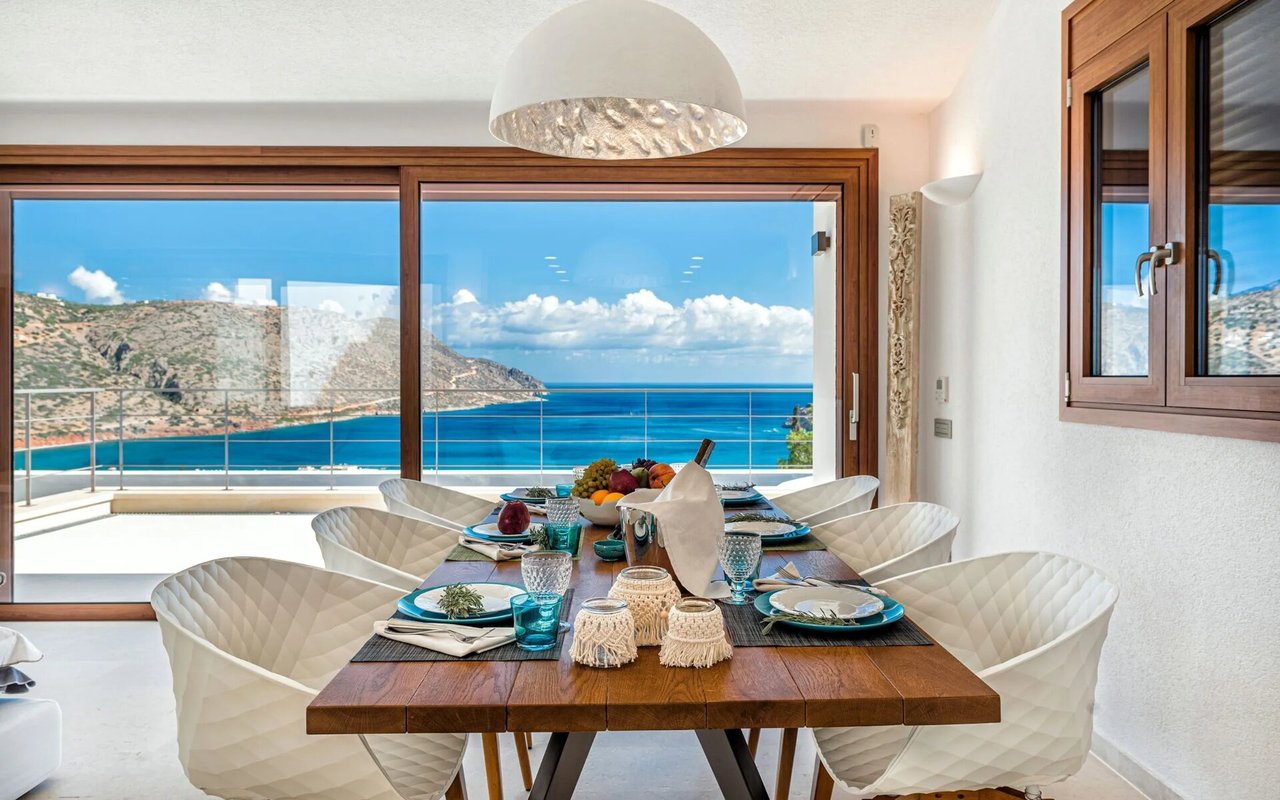
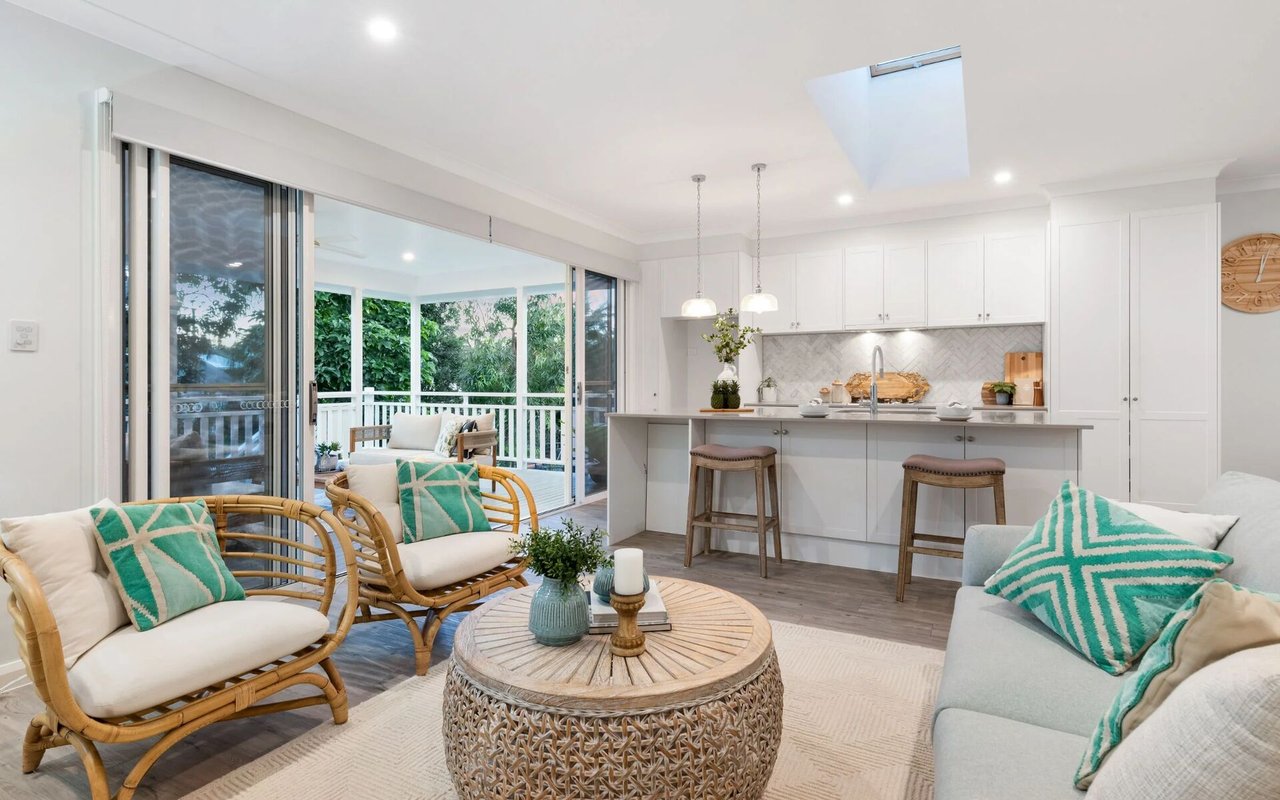
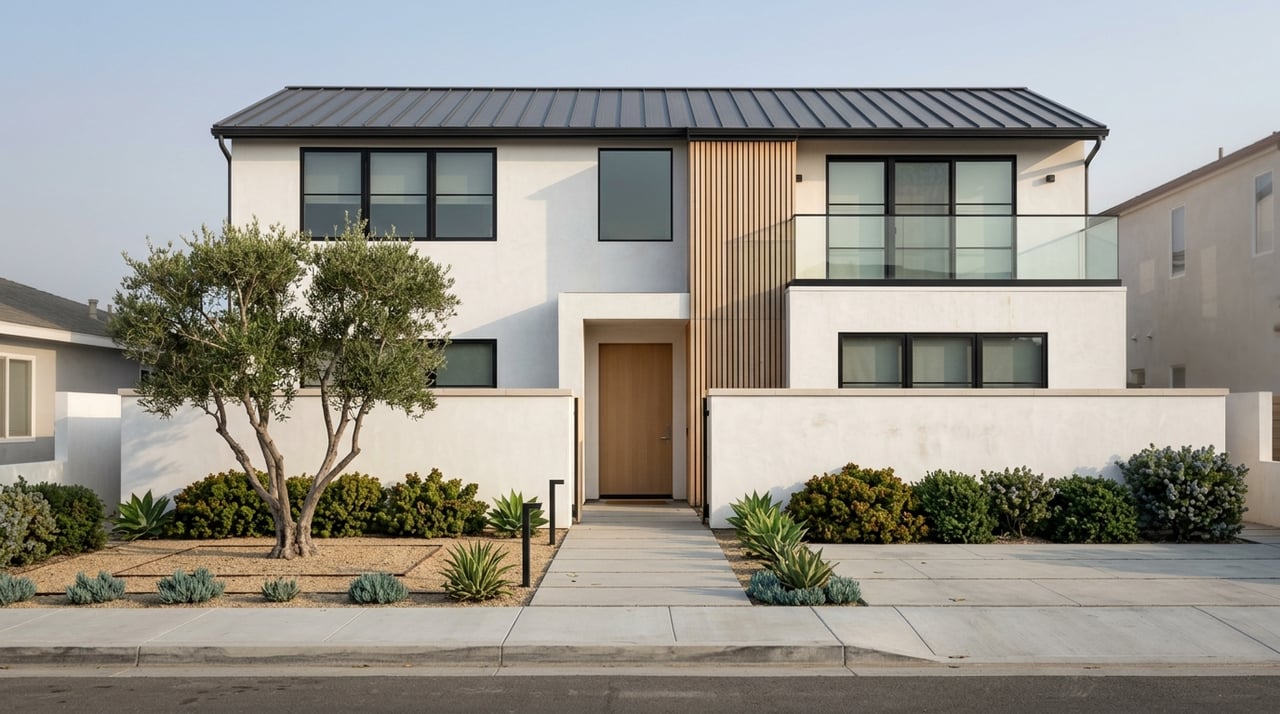
Vacation-rental and second-home buyers often make decisions from a distance. The research report notes that buyers use technology early in the process and that visuals like photos, video, staging, and virtual tours help people understand a property’s layout and appeal. In a market like Oceanside, that is especially important because value can be so tied to setting and experience.
A listing near the harbor or beach needs to clearly show that advantage. Professional photography, drone imagery, video, and 3D tours can help communicate not just the home itself, but how it lives within its location. That is a major part of how remote buyers and investor-minded shoppers evaluate opportunities.
For sellers, this matters on resale too. If your property has vacation rental appeal, strong presentation can help buyers quickly understand the lifestyle, convenience, and positioning that support demand.
What This Means If You Are Buying Or Selling
If you are buying in Oceanside with vacation rental goals in mind, your first questions should be practical. Is the property legally eligible for short-term rental use? Is it in a location that guests will value? Does the layout and setting make sense for the kind of stay the area attracts?
If you are selling, the same themes can shape your marketing strategy. A property with clear compliance potential, strong location advantages, and compelling visual presentation may stand out more to investor, second-home, and lifestyle-driven buyers. In a market this nuanced, details matter.
The Oceanside vacation rental market can be attractive, but it is not a one-size-fits-all opportunity. The strongest outcomes usually come from understanding the local rules, reading the map carefully, and matching the property to the way guests actually use the city.
If you are weighing a coastal purchase, a second-home sale, or how to position a property with vacation rental appeal, Miki Edwards can help you sort through the local details and build a smart strategy.
FAQs
What is considered a short-term rental in Oceanside?
- In Oceanside, a short-term rental is a legally permitted dwelling unit, or part of one, rented for 30 consecutive days or less.
Are non-hosted short-term rentals allowed everywhere in Oceanside?
- No. Oceanside says new non-hosted short-term rentals are prohibited outside the Coastal Zone as of February 10, 2024.
Does Oceanside require a permit for short-term rentals?
- Yes. As of June 7, 2024, Oceanside requires an STR permit unless the property qualifies for a city-listed exemption.
What taxes apply to Oceanside vacation rentals?
- Oceanside lists a 10% transient occupancy tax and a 1.5% OTMD assessment on room rental revenue for short-term rentals.
Why does location matter so much in the Oceanside vacation rental market?
- Location matters because guest appeal can vary based on beach access, harbor proximity, downtown walkability, and the specific feel of each coastal area.
Can a property with an ADU be used as a short-term rental in Oceanside?
- Not in every case. Oceanside says STRs are prohibited at properties with an ADU or JADU permitted on or after September 9, 2017, and that restriction applies to both the accessory unit and the primary residence.